Car Bumper Material: Polypropylene, TPO and ABS Explained for B2B Buyers
Car bumper material is rarely a single plastic. A bumper assembly combines a thermoplastic cover, an energy absorber and a reinforcement beam, and each part is specified by OE number and model year. Yiyang supplies aftermarket bumpers, grilles and body parts from Hangzhou, Zhejiang.
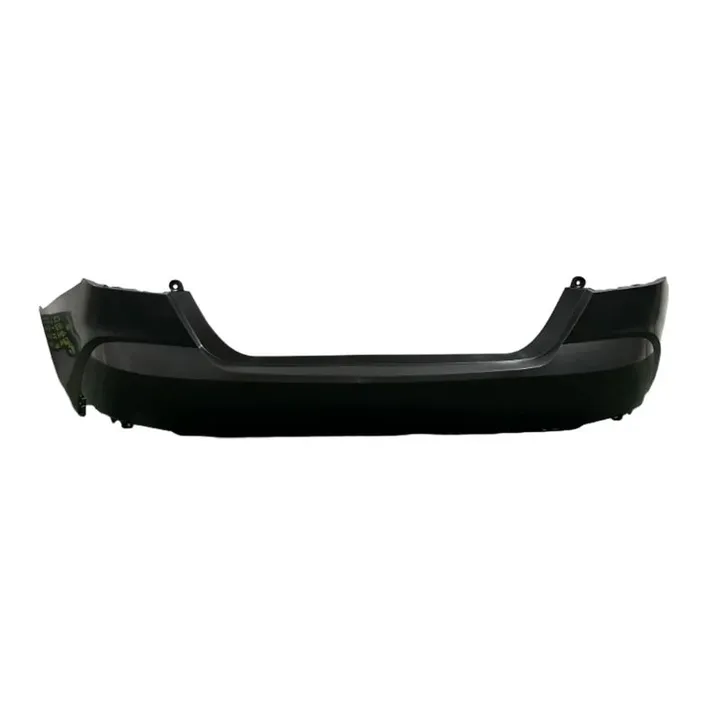
What Is Car Bumper Material Made Of?
Car bumper material falls into a small set of families. Bumper covers and energy absorbers are mostly polypropylene and PP-based thermoplastic olefin blends; grilles and trim are usually ABS or ABS/PC; foam absorbers use EPP or EPU; structural and classic parts use SMC or fibreglass; and the reinforcement beam behind the cover is steel or aluminium on older or heavier-duty vehicles. Each family reacts differently to impact, heat and repair, so the grade matters as much as the part name.
Cover material is not chosen per brand. An aftermarket front bumper is supplied against an OE number and a model year, and two vehicles that look similar can carry different cover grades, absorber shapes and beam mountings. The grade for a specific part is therefore confirmed per listing when the buyer sends the OE number, model year and requirement.
Weight explains why the mix keeps shifting. A review reports front and rear bumpers use about 10 kg/car of plastic on a small-to-medium car and about 13 kg/car on a sport utility vehicle. The same review notes that recycling polypropylene is easier than other plastics, because it melts on heating and hardens on cooling without significant loss of properties, which matters to body shops handling damaged covers and returns.
Polypropylene Bumper: Properties, Limits and Repair Notes
Polypropylene is the default cover material because it does several jobs at once. It is light, it moulds into deep draws and tight radii, it holds clips and bracket pockets, and it flexes on low-speed contact instead of shattering. A polypropylene bumper also tolerates the temperature swings of a parked vehicle and accepts a refinish once the surface is prepared. The rear bumpers sold as replacements follow the same logic on most modern passenger cars.
The limits sit in the formulation rather than the family name. Two PP covers can differ in filler content, elastomer content and additive package, which changes stiffness, cold-weather behaviour and how the part responds to heat during repair. Grade and additive package differ between parts, so the specification for a given bumper is confirmed when the buyer sends the OE number and model year. A cover that feels right on one vehicle can be a different grade on the next.
Repair notes matter more for PP than for metal. Polypropylene is weldable with a hot-air tool and a matching rod, which makes a cracked cover repairable rather than scrap. The surface has low energy, so adhesion promoters and the correct primer sequence decide whether a refinish holds. Heat used to straighten a deformed cover has to stay gentle, because PP softens well below the point where a steel panel would. Body shops that do their own repairs should say so when they request a quotation.
Bumper Material Selection: Matching the Grade to the Vehicle and Market
Choosing a bumper material for a market is a practical decision rather than a brand decision. Four criteria usually settle it: the climate the vehicle works in, the typical impact speed in city traffic, how much repair work local body shops can carry out, and the freight and handling cost the part adds to a container. Appearance expectations and the age of the local vehicle fleet move the answer again.
Compare plastic covers, fibreglass/SMC and steel or aluminium parts against those criteria:
- Plastic covers in PP or TPO are light, flexible and repairable by welding, and suit late-model passenger cars and SUVs.
- Fibreglass and SMC are stiffer and easier to build in small volumes, but heavier and less forgiving of a knock.
- Steel or aluminium parts suit older vehicles and heavier-duty use, where a beam or a full metal bumper is the item being replaced.
- Climate decides flexibility requirements; a market with cold winters puts more weight on low-temperature impact behaviour.
What to send so the available option for a specific part is confirmed: the OE number, model year, vehicle variant and the requirement. A buyer replacing only the outer skin gets a different answer from one replacing the whole assembly, because cover, absorber and beam can come from different families on the same vehicle. Yiyang replies with a quotation within 24 hours of an OE number or a photo.
Automotive Bumper Material: Grades Used on Modern Vehicles
Automotive bumper material is easier to read by function than by trade name. The visible cover is a thermoplastic: polypropylene on most passenger cars, thermoplastic olefin blends where a softer or more paint-friendly skin is wanted. Grilles and trims sit in ABS or ABS/PC, because those plastics hold sharp detail and accept chrome or paint. Energy absorbers are foam or honeycomb structures, and the reinforcement beam is steel, aluminium or a composite.
Each of those parts carries its own specification. The material of an aftermarket part follows the OE number and model year it replaces rather than the vehicle brand as a whole, so a buyer should confirm the specification part by part, with the OE number and model year for each line. A car grille and a cover for the same vehicle are separate enquiries with separate answers.
Lightweighting is the pressure behind the current mix. A 2012 modelling study concluded that 30% plastics and composites content would reduce weight without adverse effects on vehicle crashworthiness, and a fact sheet records that lighter materials in today’s car represent a 10% weight reduction and a 7% fuel-economy improvement for a 3600 lb car including passengers. That is why covers keep getting thinner in section while absorbers and beams take over the load path.
Car Bumper Plastic: PP, TPO, ABS and How Buyers Tell Them Apart
Car bumper plastic in a modern assembly is usually one of five materials: PP, TPO as a PP-EPDM blend, ABS, ABS/PC, and glass-fibre reinforced polyamide for structural pieces. PP and TPO dominate covers and absorbers. ABS carries grilles, trims and some brackets. ABS/PC adds impact strength where a part is thin or exposed. Glass-fibre reinforced polyamide appears in mounting structures rather than in outer skins.
Buyers inspecting a part in the warehouse use a few practical cues:
- Moulded material markings on the back of the part, which often name the plastic family and sometimes the grade.
- Flex and sound when tapped: PP flexes and sounds dull, while ABS resists the thumb and rings sharper.
- Weldability and repairability: PP welds with a matching rod, while ABS is more often bonded or replaced.
- Surface behaviour: a low-energy PP surface needs different preparation from ABS before refinish.
- Bracket and clip design, since fixing points hint at the stiffness the original part was built around.
Those cues are a starting point, not a specification. Fillers and blends can make one PP cover feel stiffer than another, and markings are not always legible on a used part. The definitive specification of a bumper listing is confirmed from the OE number, model year and requirement. Buyers weighing a replacement against an original part can read OEM vs aftermarket body parts before ordering.
Polypropylene Car Bumpers: Durability, Inspection and Shipping
Polypropylene car bumpers hold up well in export markets when the grade and the moulding are right. PP covers resist cracking on low-speed impact, keep their flexibility in cold weather when the formulation includes the right elastomer, and are stabilised against UV and ageing for vehicles parked outdoors. Repairability is the practical advantage, since a cracked cover can be welded instead of replaced. Consistency between shipments depends on grade control, moulding control and inspection discipline.
Yiyang’s route runs through those points. Incoming materials are inspected for composition, dimensions and appearance; every production line is checked in process with first-article confirmation; samples are test-fitted on actual vehicles before mass shipment; and a final random inspection follows AQL standards with photo reports sent to clients before loading. Stock parts ship in about 1 to 7 days and made-to-order parts in about 1 month, with export packing and door-to-door logistics.
Yiyang was established in 1999 and runs its own manufacturing base together with a network of partner factories, a manufacturing-and-trading model. Yiyang provides a 1-year quality guarantee for Yiyang-brand spare parts and follows up every shipment, handling quality claims within 48 hours. Send the OE number, model year and requirement so the material and the options for that part are confirmed. The nearest ports are Shanghai Port and Ningbo Port.
Common questions about car bumper material
Why are bumpers made of plastic? Plastic covers absorb a low-speed knock and spring back, resist corrosion, mould into the curved shapes a modern front end needs, and keep weight down at the ends of the vehicle. Polypropylene is also the easiest of the common bumper plastics to recycle, since it melts and hardens again without significant loss of properties. Weight savings carry through to fuel use: lighter materials in today’s car represent a 10% weight reduction and a 7% fuel-economy improvement for a 3600 lb car including passengers, according to an energy department fact sheet.
What are the different types of car bumpers? On the replacement market, buyers order the standard cover for a given model year, covers that carry an integrated grille surround, sport-style covers sold as body kits, and facelift conversion kits that bring a front end to a later look. Older vehicles still run steel or aluminium bumpers with a separate skin. Each type carries its own OE number, so the material and the fitment are confirmed against that number rather than against the vehicle brand.
Sources
Request a quotation
Tell us which bumpers you sell, for which vehicles, and in what quantity.
Or write to sales@aftermarketautobodyparts.com